








After bin Laden: What Might Come Next
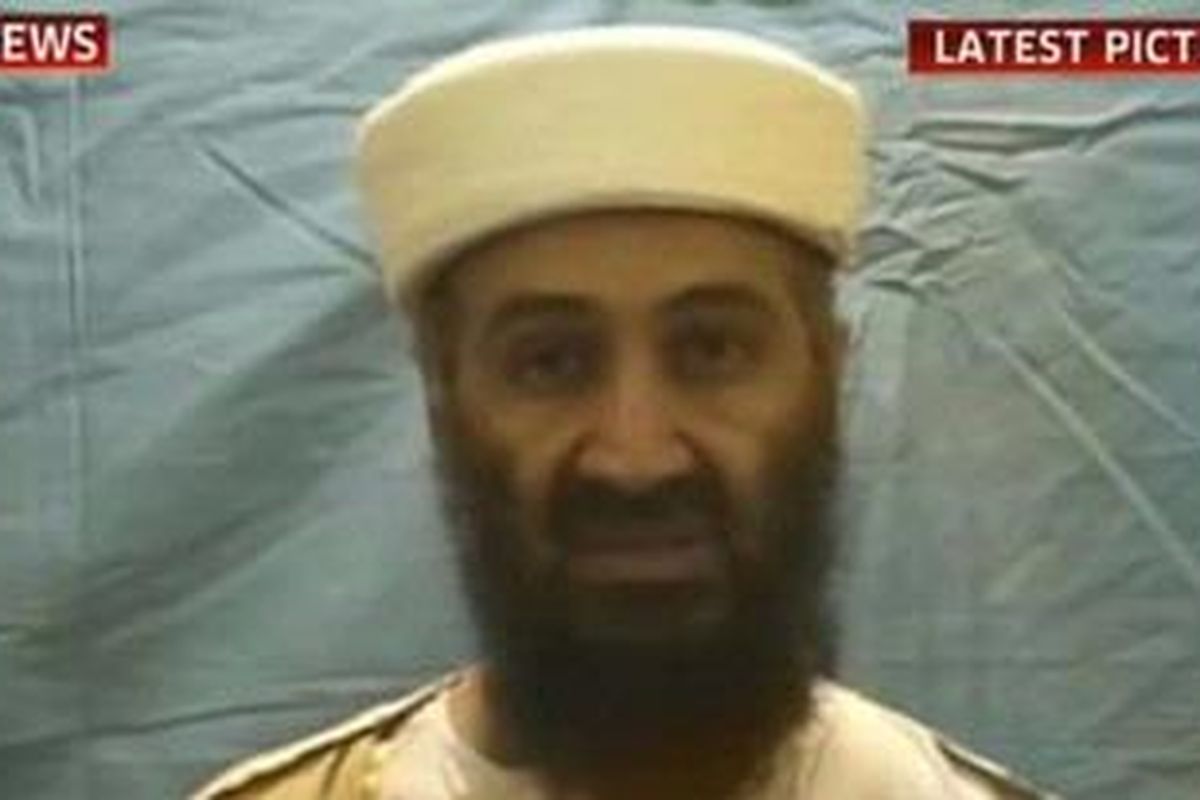


KOMPAS.com - After an extraordinary week of events in the United States and abroad, one thing is clear: Osama bin Laden's death at the hands of American forces has the potential to ripple out into global affairs in many ways — political and military, diplomatic and cultural, and of course impacts U.S. national security.
The death of al-Qaida leader Osama bin Laden is not expected to cripple the organization held responsible for acts of global terror that included the Sept. 11, 2001, attacks in the U.S. Nor will his death spell the end of the terror threat.
Always a loosely organized group, al-Qaida over the past decade has inspired a number of deadly offshoots and franchises, including the Yemen-based al-Qaida in the Arabian Peninsula, responsible for training a suicide bomber who tried to down a Detroit-bound airliner on Christmas Day with a bomb sewn into his underwear. It also inspired the Fort Hood, Texas, shooter who killed 13 people and wounded 32 more in November 2009.
Although bin Laden was the spiritual guide for the various franchises now operating in Somalia, North Africa and as far away as the Philippines with the Abu Sayyaf group, he never ran the groups directly.
Many of the people he helped train in Afghanistan during and after the Soviet invasion did run their own groups, including the late Abu Musab al-Zarqawi's al-Qaida in Iraq. But they often acted on their own, with little guidance from bin Laden.
In recent years, bin Laden is thought to have had little control of the group he founded. Instead, much of the original group's core operations are thought to have been run by its No. 2, Egyptian cleric Ayman al-Zawahri, who is also believed to be hiding in Pakistan.
Although robbed of their spiritual figurehead, the groups that bin Laden inspired are unlikely to be deterred by his death. And unless the raid on his safe house generates actionable intelligence on terror attacks in the planning stages, new acts of terror will take place with or without bin Laden.
Far more worrisome for al-Qaida: the popular uprisings that toppled the authoritarian regimes in Tunisia and Egypt. Unlike the establishment of Islamic theocracies the world over, which is what bin Laden preached as a way to topple the regimes, the uprisings have sought the creation of free democracies.
U.S. Counterterrorism
It wasn't long after the stunning announcement of Osama bin Laden's death before thoughts in America turned to new, fearful questions: When will the other shoe drop? Would al-Qaida or its terrorist sympathizers retaliate?
The Obama administration's answer: There's no intelligence yet pointing to specific or imminent plans for future attacks, but its spies are watching and eavesdroppers are listening carefully for any such signs.
Besides, a quick retaliatory terror strike against targets inside the United States is hardly al Qaida's signature. The plots to blow up the USS Cole, bomb U.S. embassies in Africa and crash jetliners in September 2001 took years to plan, finance and carry out undetected.
Even smaller-scale, more recent terrorist plots — constrained after more than a decade of anti-terror raids, missile attacks from the skies and financial seizures by government forces around the world — have taken at least months to pull together.
Counterterrorism officials are more worried about the potential for violence by an individual or small group with plans to act alone — especially those with no formal ties to any known terror organizations. And, of course, U.S. targets already overseas — American soldiers, embassies and companies — are more vulnerable to a retaliatory attack.
The FBI and Homeland Security Department warned law enforcement offices to be on the lookout for homegrown, violent extremists who may see bin Laden's death as an excuse to attack. Of great concern are people in the U.S. with violent plans who are strangers to the intelligence community — people like the Pakistani-American accused of trying to set off a bomb last year in New York City's Times Square.
"We continue to operate under the premise that terrorists not yet identified by the intelligence community and law enforcement may be operating in the United States and could advance and execute attacks without warning," according to an intelligence bulletin issued the day after bin Laden was killed.
Federal law enforcement officers are under orders to review all open cases with potential al-Qaida connections. Homeland Security Secretary Janet Napolitano said extra security will be at some of the country's large international airports, as the aviation industry continues to be an attractive target for terrorists.
And, as they already do, if intelligence officials come across someone with known or suspected ties to terrorism, they will add that name to the terror watch list. Local law enforcement has been encouraged to use closed-circuit televisions to monitor sensitive areas, establish neighborhood watch programs, conduct security sweeps for explosives and do background checks on employees.
These are not new suggestions, but counterterrorism officials want to remind the country to be on extra alert in order to stave off potential retaliatory attacks by bin Laden supporters.
"I think that we will ultimately be more safe as a result of his death," U.S. Attorney General Eric Holder told senators. "But in the short term, I think we have some serious concerns that we have to be ready to address."
American wars
Al-Qaida's attacks in the U.S. on Sept. 11, 2011, plunged America into war — first in Afghanistan where the terror movement was headquartered and later in Iraq, which President George W. Bush described as the "central front in the war on terror." Ironically, however, the death of terror mastermind Osama bin Laden is expected to have little immediate effect on either conflict.
The war in Iraq, which cost more than 4,450 American lives, was winding down long before elite Navy SEALs gunned down bin Laden in his Pakistan hideout. Unless the Iraqi government changes its mind and asks the Americans to stay longer, the last 50,000 U.S. troops will be gone by the end of this year.
Even if they stay, the U.S. role has changed from active combat to training and supporting the Iraqi armed forces, which still face a diminished threat from al-Qaida and other insurgent groups, some of which are backed by Iran.
Last month, 11 U.S. service members died in Iraq, about half of them from hostile fire. That was the highest monthly toll since November 2009 but still far below figures from the height of the war, when monthly death counts sometimes soared over 100.
In Afghanistan, President Barack Obama had already announced plans to begin withdrawing American forces starting in July, slowly handing over security responsibility to Afghan troops. The U.S. administration has not said how many of about 100,000 American service members will be heading home in the first wave.
The White House has insisted that the rate of departures will depend on how effective the Afghans prove to be in fighting the Taliban and its insurgent allies, including al-Qaida. After more than eight years, however, the war in Afghanistan has become deeply unpopular.
The wild card is whether the American public — and its representatives in Congress — will step up demands for a speedy end to the war now that bin Laden is gone. Mindful of that possibility, U.S. and European officials were quick to declare that the mission in Afghanistan was not over, and that a rapid withdrawal might destabilize the country and enable al-Qaida and other militants to group.
But with nearly two-thirds of the American public already questioning whether the Afghan war is worth fighting, that may prove to be a hard sell in the coming months unless a resurgent al-Qaida is able to mount a major attack against U.S. interests.
"Look, part of the argument against this reduction is that it was reputational, for staying in Afghanistan. 'We can't look like America was driven out.' 'We can't go away with our tail between our legs,'" Rep. Barney Frank said this week. "Well, we just killed Osama bin Laden, and I think that takes a lot of the pressure away — a lot of the punch away from the argument that 'Oh, it will look like we walked away.'"
KOMPAS.com berkomitmen memberikan fakta jernih, tepercaya, dan berimbang. Dukung keberlanjutan jurnalisme jernih dan nikmati kenyamanan baca tanpa iklan melalui Membership. Gabung KOMPAS.com Plus sekarang